
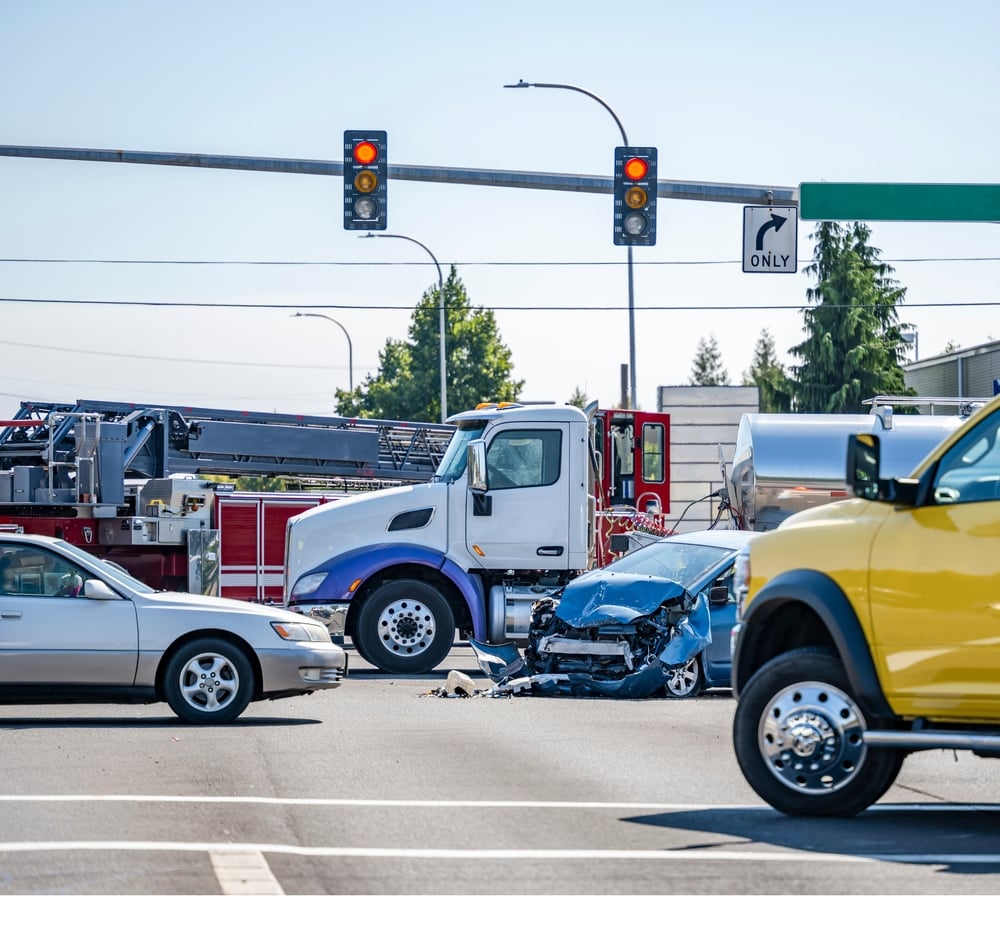
A collision with a fully loaded tractor-trailer is not just a bigger car accident — it is a different kind of catastrophe. An 18-wheeler can weigh 20 to 30 times more than a passenger vehicle, and when that much steel meets a family sedan on I-26, I-95, or US-17, the people in the smaller vehicle almost always pay the price. If you or someone you love has been hurt in a truck crash in North Charleston, Summerville, or anywhere in South Carolina, understanding how these cases work is the first step toward protecting your right to full compensation.
Why truck accident claims are different from car accident claims
Trucking is a heavily regulated, commercial industry. That single fact changes everything about how an injury claim is built. Unlike a typical fender-bender, a serious truck crash usually involves a company, its insurer, and a team of investigators who go to work within hours of the wreck — often before the injured person has even left the hospital. Their job is to limit what the company pays. Your claim deserves the same level of preparation working in your favor.
The injuries also tend to be far more severe: traumatic brain injuries, spinal cord damage, multiple fractures, internal injuries, and tragically, wrongful death. Because the stakes are so high, the value of a truck case — and the resistance you will face — is usually much greater than in an ordinary auto claim.
Common causes of South Carolina truck accidents
- Driver fatigue. Federal hours-of-service rules limit how long a trucker can drive, but pressure to meet deadlines leads some drivers and carriers to push past safe limits.
- Distracted or impaired driving. Texting, eating, or driving under the influence behind the wheel of an 80,000-pound vehicle is devastating.
- Speeding and following too closely. Trucks need far more distance to stop; excess speed turns a near-miss into a fatal underride or rear-end crash.
- Improperly loaded or secured cargo. Overloaded or shifting freight can cause rollovers and jackknifes.
- Poor maintenance and equipment failure. Worn brakes, bald tires, and failed welds or wheel components can cause a sudden, catastrophic loss of control.
That last point matters in South Carolina. The Wigger Law Firm, Inc. has recovered significant results in cases where a defective part — not just driver error — caused the harm, including a product-liability recovery after a wheel separated from a truck and a multi-million-dollar result involving a defective tire and weld. A thorough investigation looks beyond the driver to every party whose negligence contributed.

Who can be held liable after a truck crash?
One of the biggest differences in trucking cases is that multiple parties may share responsibility. Identifying all of them is often the key to full compensation, especially when injuries exceed a single insurance policy. Potentially liable parties include:
- The truck driver
- The trucking company (motor carrier)
- The company that loaded or secured the cargo
- A maintenance or repair contractor
- The manufacturer of a defective tire, brake, or other component
- A broker or shipper, in some circumstances
Critical evidence — and why it disappears fast
Commercial trucks generate evidence that ordinary cars do not: electronic logging device (ELD) records, engine control module (“black box”) data, driver qualification files, inspection and maintenance logs, and dispatch records. Under federal regulations, much of this can lawfully be destroyed after a set period — and some carriers are not in a hurry to preserve what hurts their case. Acting quickly to send a legal preservation (spoliation) letter and, when necessary, inspect the truck before it is repaired or sold can make or break a claim.
What is my truck accident claim worth?
Every case is different, but compensation in a serious truck case may include current and future medical bills, lost income and reduced earning capacity, pain and suffering, disfigurement, and the losses a family suffers in a wrongful death claim. The right value depends on the severity of the injuries, the available coverage, and how thoroughly the case is investigated and prepared. You can review examples of results the firm has obtained on our Verdicts & Settlements page.
How long do you have to file in South Carolina?
In South Carolina, the general statute of limitations for most personal injury claims is three years from the date of the crash. Important exceptions can shorten that window — for example, claims involving a government vehicle or agency carry much shorter deadlines and strict notice requirements. Because evidence also fades quickly, it is best to speak with an attorney as soon as possible.
Why injured South Carolinians choose the Wigger Law Firm, Inc.
As experienced litigators, we are not afraid to take a case to court and fight aggressively for our clients. We handle truck and commercial-vehicle cases on a contingency-fee basis, which means you pay no attorney’s fee unless we recover for you. Learn more about how we handle auto accident and personal injury claims, or contact us for a free, no-obligation consultation.
Frequently asked questions
Should I talk to the trucking company’s insurance adjuster?
It is wise to be cautious. Adjusters often call early to obtain a recorded statement or push a quick, low settlement before the full extent of your injuries is known. You are not required to give a recorded statement, and it is best to speak with an attorney first.
What if I was partially at fault for the crash?
South Carolina follows a modified comparative negligence rule. You may still recover compensation as long as you were not more than 50% at fault, though your award is reduced by your share of responsibility. Insurers know this and often try to shift blame — another reason to have an advocate on your side.
How much does it cost to hire a truck accident lawyer?
Most personal injury cases, including truck cases, are handled on a contingency-fee basis. There is no upfront fee, and you pay an attorney’s fee only if we obtain a recovery for you.
This article is for general information only and is not legal advice. Past results do not guarantee a similar outcome in any future case. For advice about your specific situation, please contact a licensed attorney.