
We trust the products we use every day — the tires on our cars, the equipment we operate at work, the devices our doctors rely on. When a product fails because it was poorly designed, badly made, or sold without adequate warnings, the results can be catastrophic. If a dangerous or defective product has injured you or a loved one in North Charleston, Summerville, or anywhere in South Carolina, you may have the right to hold the companies responsible accountable for the full extent of your losses.
Product liability cases are among the most complex — and most valuable — in personal injury law. The Wigger Law Firm, Inc. has secured substantial recoveries in defective-product matters, including a multi-million-dollar result involving a defective tire and weld that caused a roof crush, and a separate recovery after a truck wheel separated and killed a bystander. These cases take resources, experience, and a willingness to take on large manufacturers. Here is what you need to know.
The three types of product defects
South Carolina product liability claims generally fall into three categories, and a single case may involve more than one:
- Design defects. The product is dangerous because of the way it was designed, so that even a perfectly manufactured unit is unreasonably unsafe (for example, a vehicle prone to rollover or a machine without an essential safety guard).
- Manufacturing defects. The design is sound, but something went wrong in production — a faulty weld, contaminated materials, or a missing component — making a particular unit dangerous.
- Marketing defects (failure to warn). The product lacks adequate instructions or warnings about a non-obvious danger, leaving users unaware of how to use it safely.
Common dangerous and defective products
- Defective tires, wheels, brakes, and other auto parts
- Industrial and workplace machinery with inadequate guarding
- Power tools and equipment that fail under normal use
- Defective medical devices and unsafe pharmaceuticals
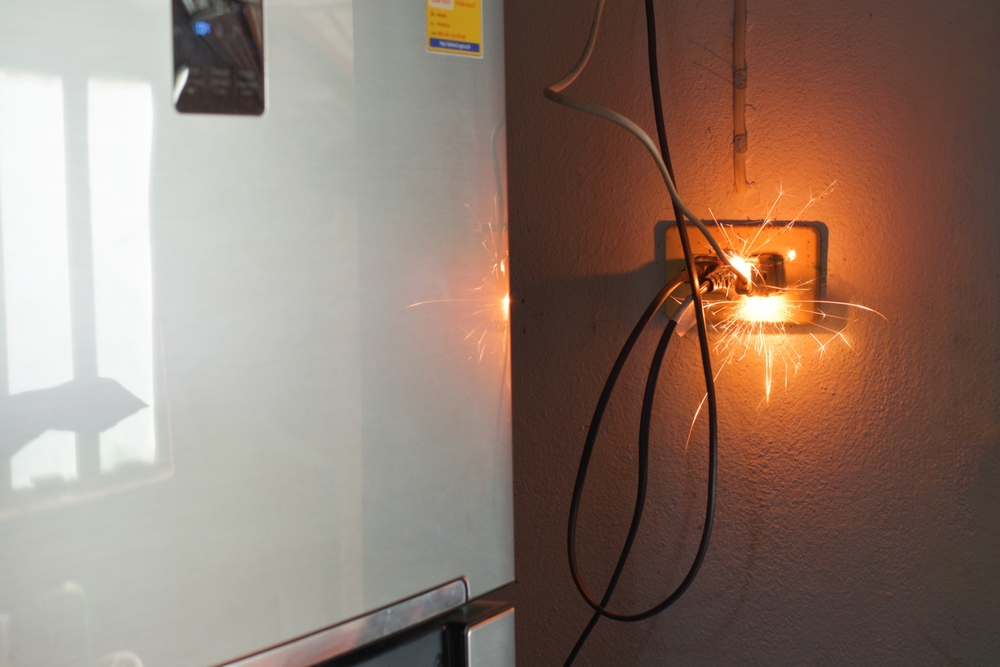
- Dangerous consumer goods, appliances, and children’s products
Legal theories: how these cases are proven
In South Carolina, an injured person can typically pursue a product claim under one or more theories: strict liability (focusing on whether the product was in a defective, unreasonably dangerous condition, rather than on the manufacturer’s carefulness), negligence (the defendant failed to use reasonable care in design, manufacture, or warnings), and breach of warranty (the product failed to live up to express or implied promises about its safety or fitness). Choosing the right combination of theories is a strategic decision that can significantly affect the outcome.
Who can be held responsible?
Liability is not limited to the company whose name is on the box. Depending on the facts, responsible parties may include the product manufacturer, the maker of a defective component part, the distributor, and the retailer that sold it. Identifying every link in the chain of distribution is often essential to securing full compensation.
Do not throw the product away
The single most important thing you can do to protect a potential product liability claim is to preserve the product. The defective item itself is usually the most powerful piece of evidence in the case. Keep it in the condition it was in after the injury — do not repair it, alter it, or discard it — along with any packaging, manuals, and receipts. Qualified engineers and other experts can then examine the product to determine exactly how and why it failed.
What is a product liability claim worth?
Because defective products often cause severe, life-altering injuries, these claims can be substantial. Compensation may include medical expenses, future care, lost wages and diminished earning capacity, pain and suffering, disfigurement, and the losses associated with wrongful death. The value of any case depends on its specific facts; you can see examples of outcomes the firm has achieved on our Verdicts & Settlements page.
How long do you have to file?
In South Carolina, the general statute of limitations for personal injury claims, including most product liability cases, is three years — but exceptions can apply, and the clock may run from when the injury was, or should have been, discovered. Because preserving the product and other evidence is time-sensitive, do not wait to seek advice.
Why choose the Wigger Law Firm, Inc.
Taking on a manufacturer requires experience and resources, and a record of results against well-funded defendants. We handle product liability cases on a contingency-fee basis — you pay no attorney’s fee unless we recover for you — and we are prepared to take a case to trial when that is what it takes. Contact us for a free, confidential consultation.
Frequently asked questions
What if I no longer have the product that injured me?
It is still worth speaking with an attorney. While preserving the product is ideal, a claim may still be possible through other evidence such as photographs, medical records, witness accounts, purchase records, and reports of similar failures. Every situation is different.
Do I have a case if I was using the product when I was hurt?
Using a product when an injury occurs does not bar a claim — the question is whether the product was defective and unreasonably dangerous. If you were using it in a reasonably foreseeable way, you may have a valid claim even though you were the one operating it.
Are product liability cases expensive to pursue?
These cases can require expert analysis and significant investigation, but you do not pay those costs out of pocket up front. We handle them on a contingency-fee basis, advancing the work needed to build your case, and you owe an attorney’s fee only if we obtain a recovery.
This article is for general information only and is not legal advice. Past results do not guarantee a similar outcome in any future case. For advice about your specific situation, please contact a licensed attorney.