
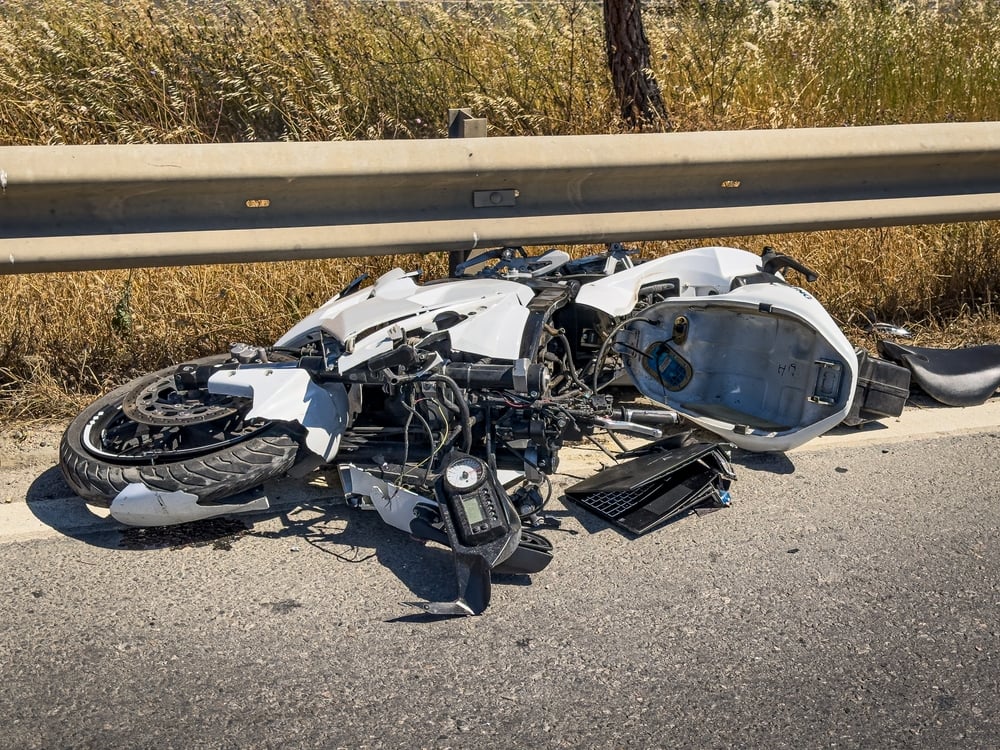
South Carolina’s mild weather and scenic Lowcountry roads make it a wonderful place to ride — but they also put motorcyclists in constant proximity to drivers who simply are not looking for them. When a careless motorist turns left across a rider’s path or drifts into a lane, the rider has no crumple zone, no airbags, and no steel cage for protection. The injuries are often severe, and the fight for fair compensation is frequently an uphill one. If you were hurt in a motorcycle crash in North Charleston, Summerville, or anywhere in South Carolina, here is what you should know about protecting your rights.
The Wigger Law Firm, Inc. has obtained significant results for injured riders, including multi-million-dollar and other substantial recoveries in motorcycle collision cases. We understand both the medicine and the bias that these cases involve — and we know how to overcome it.
Why motorcycle cases are different
Two things set motorcycle claims apart. First, the injuries tend to be catastrophic — traumatic brain injuries, spinal damage, road rash requiring skin grafts, multiple fractures, and amputations are all common. Second, riders face an unfair but very real bias. Insurance adjusters and even some jurors assume the motorcyclist must have been speeding or reckless. Building a case that tells the true story, supported by physical evidence and reconstruction, is essential to getting past that prejudice.
Common causes of South Carolina motorcycle accidents
- Left-turn collisions. A driver turns left in front of an oncoming motorcycle, often claiming they “never saw” the rider.
- Failure to yield and running stop signs or lights. Motorists misjudge a motorcycle’s speed and distance.
- Distracted driving. A glance at a phone is all it takes to drift into a rider.
- Unsafe lane changes. Drivers fail to check blind spots before merging.
- Dangerous road conditions. Potholes, debris, and poorly maintained shoulders are far more hazardous on two wheels than four.
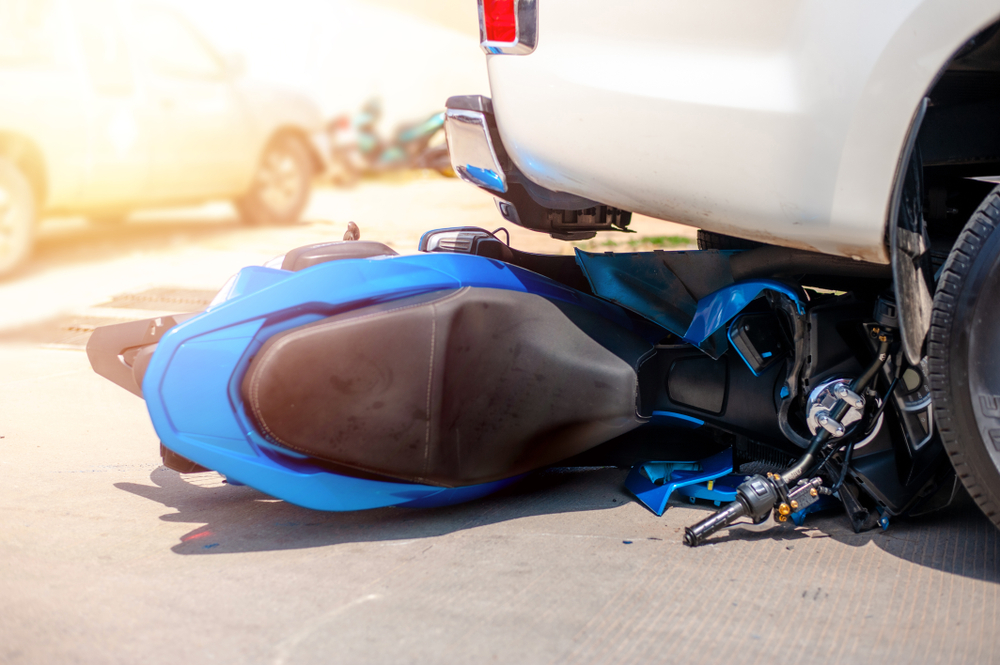
South Carolina motorcycle laws every rider should know
A few points of South Carolina law often come up after a crash. Riders and passengers under the age of 21 are required to wear a helmet and proper eye protection. Lane splitting — riding between lanes of traffic — is not legal in South Carolina, and a motorcycle is entitled to the full use of a traffic lane. Keep in mind that even where a rider was not wearing a helmet and was not legally required to, that fact does not automatically defeat a claim; it is one issue among many, and the negligent driver remains responsible for the harm they caused. Laws can change, so it is wise to confirm the current requirements that apply to your situation.
Overcoming bias against riders
Because the deck is often stacked against motorcyclists, preparation matters more than ever. Photographs of the scene and vehicles, witness statements, traffic-camera or dash-cam footage, accident reconstruction, and a clear presentation of the rider’s lawful conduct all help dismantle the assumption that the rider was at fault. The goal is to make sure the at-fault driver — not a stereotype — is held accountable.
Insurance and the importance of UM/UIM coverage
Catastrophic motorcycle injuries can quickly exceed an at-fault driver’s liability limits. That is why uninsured and underinsured motorist (UM/UIM) coverage on your own policy is so important — it can provide a critical additional source of compensation when the other driver’s insurance is not enough or when a hit-and-run driver flees the scene. An experienced attorney will identify every available policy and source of recovery.
What is my motorcycle accident claim worth?
Compensation in a serious motorcycle case may include medical bills and future care, lost income and reduced earning capacity, pain and suffering, permanent scarring or disability, and, in the most tragic cases, the losses of a wrongful death claim. Value always depends on the specific facts. You can review examples of the firm’s results on our Verdicts & Settlements page.
How long do you have to file in South Carolina?
In general, South Carolina gives injured people three years from the date of the crash to file a personal injury lawsuit, with shorter deadlines and special notice rules when a government entity is involved. The sooner you act, the better your attorney can preserve evidence and protect your claim.
Why injured riders choose the Wigger Law Firm, Inc.
We represent injured individuals — never the insurance companies — and we are experienced litigators who are not afraid to take a case to trial. We handle personal injury and auto accident claims on a contingency-fee basis, so you pay no attorney’s fee unless we recover for you. Contact us today for a free, no-obligation consultation.
Frequently asked questions
Can I recover if I was not wearing a helmet?
Possibly. South Carolina requires helmets only for those under 21. Even when a helmet was not worn, that does not automatically bar a claim — the at-fault driver is still responsible for the crash. How it affects your case depends on the facts and the injuries involved.
The driver who hit me had little or no insurance. What now?
You may be able to turn to your own uninsured/underinsured motorist coverage, and sometimes to other policies, to make up the difference. Identifying all available coverage is one of the first things we do in a serious motorcycle case.
What should I do right after a motorcycle crash?
Get medical attention, report the crash, and — if you are able — document the scene with photos and gather witness information. Avoid giving a recorded statement to the other driver’s insurer before speaking with an attorney.
This article is for general information only and is not legal advice. Past results do not guarantee a similar outcome in any future case. For advice about your specific situation, please contact a licensed attorney.